

Aging isn't just about wrinkles, gray hair, or feeling less energetic than you used to. Beneath the surface, a complex symphony of biological processes orchestrates the gradual decline we associate with getting older. For decades, scientists have worked to decode these fundamental mechanisms, and in 2023, a landmark publication in Cell by López-Otín and colleagues updated our understanding of what drives the aging process at the cellular and molecular level.
These biological drivers are known as the hallmarks of aging—twelve interconnected processes that, when disrupted or degraded over time, lead to the functional decline we recognize as aging. Understanding these hallmarks isn't just an academic exercise. It's a roadmap for developing interventions that could extend healthspan, reduce age-related disease, and fundamentally change how we approach longevity.
What to know
- The 12 hallmarks of aging represent the fundamental biological processes that deteriorate as we age
- These hallmarks are grouped into three categories: primary (causing damage), antagonistic (initially protective, later harmful), and integrative (affecting whole-body function)
- Research shows these hallmarks are interconnected—addressing one can influence several others
- Many hallmarks can be experimentally slowed, stopped, or even reversed through targeted interventions
- Understanding these mechanisms is key to developing effective longevity strategies
What are the hallmarks of aging?
In 2013, an international team of researchers published a groundbreaking framework identifying nine hallmarks of aging. Ten years later, with thousands of new studies illuminating the aging process, the same team expanded their model to include twelve hallmarks, published in Cell in January 2023.
But what qualifies as a hallmark? According to López-Otín and colleagues, each must meet three specific criteria: it should manifest during normal aging, experimentally accelerating it should speed up aging, and—most importantly—therapeutic interventions targeting it should slow, halt, or reverse aspects of aging.
"Aging is characterized by a progressive loss of physiological integrity, leading to impaired function and increased vulnerability to death."
— Carlos López-Otín et al., Cell, 2013The twelve hallmarks are organized into three interconnected categories: primary hallmarks that cause cellular damage, antagonistic hallmarks that initially protect against damage but become harmful when chronic or excessive, and integrative hallmarks that affect tissue and whole-body function as a consequence of the first two groups.
The primary hallmarks: where aging begins
Primary hallmarks represent the initial causes of cellular damage that accumulate over time. Think of these as the spark that ignites the aging process.
1. Genomic instability
Your DNA faces constant assault from both external sources like UV radiation and internal processes like replication errors. Over time, this damage accumulates, corrupting the genetic instructions that keep cells functioning properly. Studies in mice have shown that deficiencies in DNA repair mechanisms accelerate aging, while enhanced repair mechanisms in long-lived species correlate with extended lifespans.
2. Telomere attrition
Telomeres are protective caps at the ends of chromosomes that shorten with each cell division. When they become critically short, cells can no longer divide, leading to cellular senescence or death. Research from the Spanish National Cancer Centre has demonstrated that telomere dysfunction is closely linked to age-related pathologies and reduced tissue regenerative capacity.
3. Epigenetic alterations
While your DNA sequence remains largely stable throughout life, the chemical modifications that control which genes are turned on or off—your epigenome—change dramatically with age. These alterations can disrupt normal cellular function and have been linked to numerous age-related conditions. Recent advances in epigenetic clocks even allow researchers to measure biological age based on these modifications.
4. Loss of proteostasis
Cells must continuously produce, fold, and degrade proteins to maintain function. With age, this protein quality control system deteriorates, leading to the accumulation of damaged or misfolded proteins. This breakdown is particularly evident in neurodegenerative diseases like Alzheimer's and Parkinson's, where specific protein aggregates accumulate in the brain.
5. Disabled macroautophagy
Autophagy is the cellular recycling system that breaks down and removes damaged organelles and proteins. This process, particularly macroautophagy, declines with age, allowing cellular "garbage" to accumulate. Studies in mice have shown that enhancing autophagy through genetic manipulation or interventions can extend both lifespan and healthspan.
The antagonistic hallmarks: a double-edged sword
Antagonistic hallmarks present a paradox: they're beneficial in youth but become detrimental when chronic or excessive—a state that becomes more common with age.
6. Deregulated nutrient sensing
Cells have sophisticated mechanisms to sense and respond to nutrient availability. Key pathways include mTOR, AMPK, and the insulin/IGF-1 signaling cascade. While these systems help organisms survive periods of nutrient scarcity when functioning properly, their dysregulation with age can accelerate aging. Interventions that modulate these pathways, such as caloric restriction or certain supplements, have shown promise in extending lifespan in animal models.

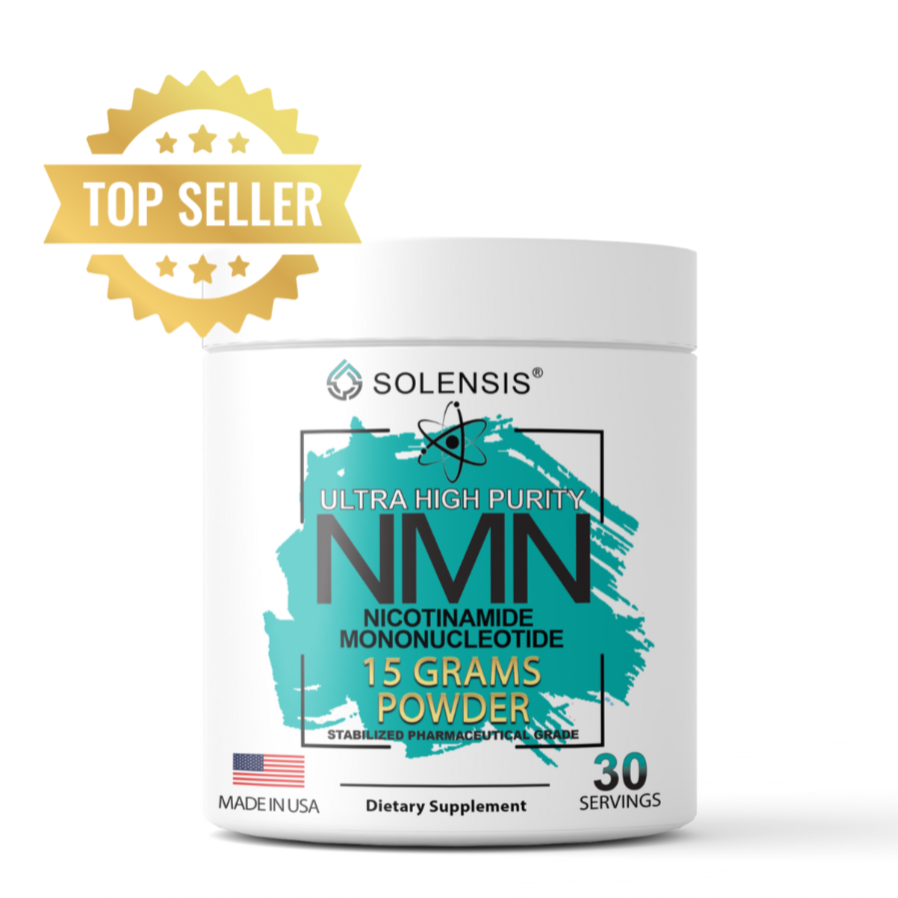
Premium NMN supplement
Support healthy aging at the cellular level. Our pharmaceutical-grade NMN helps maintain NAD+ levels, supporting energy metabolism, DNA repair, and mitochondrial function as you age.
Learn more7. Mitochondrial dysfunction
Mitochondria are the powerhouses of cells, generating the energy needed for cellular function. With age, mitochondrial efficiency declines, leading to reduced energy production and increased generation of harmful reactive oxygen species (ROS). While low levels of ROS can trigger beneficial adaptive responses (mitohormesis), chronic mitochondrial dysfunction contributes to age-related decline. Research shows that boosting NAD+ levels can help restore mitochondrial function by supporting the activity of sirtuins and other NAD+-dependent enzymes.
8. Cellular senescence
Senescent cells have stopped dividing, often in response to damage or stress. In youth, this mechanism prevents potentially cancerous cells from proliferating. However, senescent cells accumulate with age and secrete inflammatory factors that can harm surrounding tissues. Senolytics—drugs that selectively eliminate senescent cells—have shown remarkable promise in animal studies, improving physical function and extending lifespan in mice.
The integrative hallmarks: system-wide consequences
Integrative hallmarks represent the culmination of damage from primary and antagonistic hallmarks, manifesting as tissue-level and systemic dysfunction.
9. Stem cell exhaustion
Stem cells maintain the ability to divide and differentiate into specialized cell types, enabling tissue repair and regeneration. With age, stem cell function declines across multiple tissue types, from bone marrow to muscle to brain. This exhaustion impairs the body's ability to maintain and repair tissues, contributing to age-related frailty and disease. Recent research in cellular reprogramming offers hope for rejuvenating aged stem cells.
10. Altered intercellular communication
Cells communicate through various signaling molecules, including hormones, cytokines, and growth factors. Aging disrupts these communication networks, leading to dysregulated inflammatory responses, altered hormone levels, and impaired tissue coordination. This breakdown affects everything from immune function to metabolic regulation.
11. Chronic inflammation
Often called "inflammaging," this hallmark describes the low-grade, chronic inflammation that characterizes aging. Unlike acute inflammation that resolves after injury or infection, inflammaging persists and contributes to numerous age-related diseases, from cardiovascular disease to neurodegeneration. Elevated levels of inflammatory markers like IL-6 are associated with increased mortality in older adults.
12. Dysbiosis
The trillions of microorganisms living in and on our bodies—particularly in the gut—play crucial roles in health. With age, the composition and diversity of the microbiome shifts, a condition called dysbiosis. This altered microbiome can trigger inflammation, affect nutrient absorption, and influence numerous physiological processes. Promising research shows that fecal microbiota transplantation can extend lifespan and healthspan in mouse models of accelerated aging.
The interconnected nature of aging
One of the most important insights from the hallmarks framework is that these processes don't operate in isolation. They're deeply interconnected, often reinforcing each other in feedback loops. For example, genomic instability can trigger cellular senescence, which then contributes to chronic inflammation, which in turn can cause more DNA damage.
This interconnectedness has significant implications for intervention strategies. Targeting one hallmark may produce beneficial effects across multiple others. The challenge for researchers and clinicians is identifying which interventions offer the most leverage—the greatest health benefits with the fewest side effects.
From understanding to action
The hallmarks framework has transformed from a theoretical model into a practical tool driving aging research and therapeutic development. Since the original 2013 publication, the hallmarks have inspired over 300,000 research articles exploring molecular mechanisms of aging and potential interventions.
Current interventions targeting these hallmarks include caloric restriction, exercise, NAD+ precursor supplementation, senolytic drugs, and emerging approaches like cellular reprogramming. While many of these strategies have shown promise in animal models, translating them to humans requires rigorous clinical testing to establish both efficacy and safety.
Important: While the science of longevity is advancing rapidly, it's crucial to approach anti-aging interventions thoughtfully. No single supplement, drug, or lifestyle change can address all twelve hallmarks. The most effective approach likely involves a combination of evidence-based strategies tailored to individual needs and health status. Always consult with healthcare professionals before beginning any new supplement or intervention regimen.
The future of aging science
The updated hallmarks framework published in 2023 represents our current understanding, but it's not the final word. As research continues, we may identify additional hallmarks or refine our understanding of the mechanisms connecting them. Some researchers have proposed additional hallmarks, including altered mechanical properties and splicing dysregulation, highlighting how this field continues to evolve.
What makes this framework particularly valuable is its focus on targetability. Each hallmark represents not just a description of what goes wrong with aging, but a potential point of intervention. As we develop more sophisticated tools for measuring and modulating these processes, the prospect of extending human healthspan—the period of life spent in good health—becomes increasingly realistic.
The twelve hallmarks of aging provide a comprehensive map of the biological processes underlying aging. By understanding these fundamental mechanisms, we're better equipped to develop interventions that don't just extend lifespan, but improve the quality of those additional years. The goal isn't simply to live longer—it's to maintain health, vitality, and function as we age.
References
- López-Otín, C., Blasco, M. A., Partridge, L., Serrano, M., & Kroemer, G. (2023). Hallmarks of aging: An expanding universe. Cell, 186(2), 243-278. https://doi.org/10.1016/j.cell.2022.11.001
- López-Otín, C., Blasco, M. A., Partridge, L., Serrano, M., & Kroemer, G. (2013). The hallmarks of aging. Cell, 153(6), 1194-1217. https://doi.org/10.1016/j.cell.2013.05.039
- Yoshino, M., Yoshino, J., Kayser, B. D., Patti, G. J., Franczyk, M. P., Mills, K. F., ... & Klein, S. (2021). Nicotinamide mononucleotide increases muscle insulin sensitivity in prediabetic women. Science, 372(6547), 1224-1229.
- Igarashi, M., Nakagawa-Nagahama, Y., Miura, M., Kashiwabara, K., Yaku, K., Sawada, M., ... & Fukamizu, A. (2022). Chronic nicotinamide mononucleotide supplementation elevates blood nicotinamide adenine dinucleotide levels and alters muscle function in healthy older men. npj Aging, 8(1), 5.
- Yi, L., Maier, A. B., Tao, R., Lin, Z., Vaidya, A., Pendse, S., ... & Khasawneh, R. R. (2023). The safety and antiaging effects of nicotinamide mononucleotide in human clinical trials: an update. Advances in Nutrition, 14(5), 1416-1435.
- Bárcena, C., Valdés-Mas, R., Mayoral, P., Garabaya, C., Durand, S., Rodríguez, F., ... & López-Otín, C. (2019). Healthspan and lifespan extension by fecal microbiota transplantation into progeroid mice. Nature Medicine, 25(8), 1234-1242.
- Xu, M., Pirtskhalava, T., Farr, J. N., Weigand, B. M., Palmer, A. K., Weivoda, M. M., ... & Kirkland, J. L. (2018). Senolytics improve physical function and increase lifespan in old age. Nature Medicine, 24(8), 1246-1256.