

If there's one molecule that has quietly reshaped modern longevity research over the past decade, it's NAD+ (nicotinamide adenine dinucleotide). While most people have never heard of it, this coenzyme has become the focal point of hundreds of peer-reviewed studies published in journals like Cell, Nature, and Science—all pointing to the same critical finding: NAD+ levels decline dramatically with age, and this decline may be one of the most significant drivers of cellular aging.
This isn't a cosmetic change happening on the surface. When NAD+ levels drop, it affects how every cell in your body produces energy, repairs DNA, regulates inflammation, and maintains metabolic balance. Understanding why NAD+ decreases—and what that means for your health—is essential for anyone serious about healthy aging and longevity.
What to know
- NAD+ is a critical coenzyme involved in energy production, DNA repair, and cellular communication
- NAD+ levels decline by approximately 50% between youth and middle age across multiple tissues
- This decline is driven by increased DNA damage, chronic inflammation, and reduced biosynthesis
- Low NAD+ impairs mitochondrial function, DNA repair, and metabolic health
- NAD+ precursors like NMN can restore NAD+ levels and potentially reverse aspects of cellular aging
What is NAD+ and why does it matter?
NAD+ is present in every living cell in your body. It's not an overstatement to call it fundamental to life itself. This coenzyme plays critical roles in:
- Energy production: Converting nutrients from food into ATP, the cellular energy currency
- DNA repair: Activating enzymes that fix daily DNA damage
- Sirtuin activation: Powering longevity-associated enzymes that regulate metabolism and stress resistance
- Mitochondrial function: Enabling cellular powerhouses to work efficiently
- Metabolic regulation: Maintaining glucose and lipid metabolism
Think of NAD+ as the metabolic currency of the cell. Without sufficient NAD+, cells simply cannot convert the food you eat into usable energy. Everything slows down. Repair processes become inefficient. Cellular communication breaks down. This is why NAD+ has become such a central focus in aging research—it's not just one pathway among many, it's a master regulator that influences multiple aspects of cellular health simultaneously.
The evidence: NAD+ decline is real and significant
The decline of NAD+ with age isn't a hypothesis—it's one of the most consistently replicated findings in aging biology. A landmark 2013 study published in Cell by Gomes and colleagues demonstrated that NAD+ levels drop significantly in aged mice, leading to mitochondrial dysfunction and disrupted communication between the nucleus and mitochondria.
Since then, research has confirmed this pattern across multiple tissues and species:
- NAD+ decreases in skeletal muscle, correlating with reduced endurance and mitochondrial density
- Liver NAD+ declines, affecting metabolic regulation
- Brain NAD+ metabolism becomes impaired, potentially contributing to cognitive decline
- Cardiovascular tissue shows reduced NAD+ with corresponding endothelial dysfunction
Human tissue studies have confirmed similar trends. By middle age, NAD+ concentrations can fall to approximately 50% of youthful levels. This decline is now considered one of the central biochemical shifts in the aging process—not a side effect of aging, but potentially one of its fundamental drivers.
"The discovery that NAD+ decline is both measurable and potentially reversible represents a paradigm shift in how we think about aging. We're no longer just describing deterioration—we're identifying specific molecular targets that we can actually address."
— Dr. Marion Gruffaz, PhD in Molecular Biology, Co-Founder of SolensisWhy do NAD+ levels decline with age?
The decline isn't caused by a single factor. Rather, it results from multiple biological pressures that accumulate over time, creating a perfect storm that depletes NAD+ reserves.
1. Increased DNA damage consumes NAD+
Every single cell in your body experiences thousands of DNA lesions every day—from normal metabolic processes, environmental exposures, and simple replication errors. To repair this constant damage, cells activate PARP enzymes (Poly ADP-Ribose Polymerases), which are essentially molecular repair crews.
The problem? PARPs consume NAD+ as fuel to do their work. And as we age, the equation shifts dramatically:
- DNA damage increases due to accumulated oxidative stress and cellular wear
- PARP activity rises to meet the increased repair demand
- NAD+ stores become progressively depleted
Research published in the Journal of Biological Chemistry demonstrated that excessive PARP activation not only depletes NAD+ but also impairs mitochondrial function, creating a vicious cycle. More DNA damage leads to more NAD+ consumption, which leaves less NAD+ available for other critical cellular functions.
2. Chronic inflammation activates CD38
Aging is characterized by a state of low-grade chronic inflammation, often called "inflammaging." A groundbreaking 2016 study in Nature Medicine by Camacho-Pereira and colleagues identified the enzyme CD38 as a major contributor to age-related NAD+ decline.
CD38 is particularly insidious because it:
- Increases in activity with age across multiple tissues
- Directly breaks down NAD+ at an accelerating rate
- Is upregulated by inflammatory signals, creating a feedback loop
This creates a self-reinforcing cycle: inflammation increases CD38 activity, CD38 degrades NAD+, and reduced NAD+ worsens cellular stress and inflammation. The cycle continues to spiral.
3. Reduced NAD+ biosynthesis
The body synthesizes NAD+ through several pathways, but the salvage pathway—which recycles nicotinamide back into NAD+—is the primary route in most tissues. The rate-limiting enzyme in this pathway is NAMPT (nicotinamide phosphoribosyltransferase).
Unfortunately, NAMPT activity declines with age, as demonstrated in research published in Cell Metabolism by Yoshino and colleagues. Less NAMPT means less efficient NAD+ recycling, which compounds the depletion caused by increased consumption.
Important: The NAD+ decline isn't just about one failing system—it's the convergence of increased consumption (DNA damage, inflammation) and decreased production (reduced biosynthesis). This multi-factorial nature is why addressing NAD+ levels requires understanding all the contributing mechanisms.
The consequences: why NAD+ decline changes everything
Because NAD+ is involved in such fundamental cellular processes, its decline creates cascading effects across multiple systems.
Impaired DNA repair and genomic instability
Genomic instability is one of the primary hallmarks of aging. NAD+ directly regulates the enzymes responsible for maintaining DNA integrity, including PARPs and sirtuins (particularly SIRT1 and SIRT6). These proteins are involved in:
- Repairing double-strand DNA breaks
- Maintaining chromatin stability
- Regulating stress responses
- Controlling metabolic pathways
When NAD+ levels fall, sirtuin activity decreases proportionally. DNA repair becomes less efficient. Cellular resilience weakens. Research published in Science has shown that restoring NAD+ in aged animal models improves DNA repair capacity, directly connecting NAD+ decline to genomic aging.
Mitochondrial dysfunction
Your mitochondria—the cellular powerhouses—are absolutely dependent on NAD+ for proper function. NAD+ is required for oxidative phosphorylation, the TCA cycle, and electron transport chain efficiency. When NAD+ levels drop, the consequences are immediate:
- Reduced ATP production means less cellular energy
- Increased oxidative stress damages cellular components
- Impaired metabolic flexibility reduces resilience
The 2013 Cell study that first highlighted NAD+ decline also demonstrated something remarkable: restoring NAD+ levels reversed multiple aspects of mitochondrial dysfunction in aged mice. This suggests that NAD+ decline may be upstream of mitochondrial aging—not just a consequence of it, but potentially a cause.
Metabolic dysfunction
Lower NAD+ levels are strongly associated with metabolic disorders, including insulin resistance and impaired glucose metabolism. NAD+-dependent pathways regulate how cells respond to nutrients, how efficiently they burn fat versus glucose, and how they maintain metabolic homeostasis.
Cognitive and neurological effects
Neurons are among the most metabolically active cells in the body, requiring massive amounts of energy to maintain function. NAD+ supports neuronal survival, synaptic plasticity, and mitochondrial integrity in brain tissue. Declining NAD+ in the brain has been linked to cognitive decline and may contribute to neurodegenerative diseases.
Reduced physical performance
Skeletal muscle NAD+ depletion contributes to reduced endurance, decreased mitochondrial density, and impaired muscle function—all hallmarks of aging that significantly impact quality of life.
Restoring NAD+ levels: the solution
Understanding that NAD+ declines with age naturally leads to an important question: can we restore it? The answer, according to mounting scientific evidence, is yes.
The body produces NAD+ from several precursor molecules, including nicotinic acid, nicotinamide, nicotinamide riboside (NR), and nicotinamide mononucleotide (NMN). Of these, NMN has emerged as one of the most promising options because it's a direct intermediate in the NAD+ salvage pathway—the body's primary route for NAD+ production.
Preclinical research published in Nature Communications and Cell Metabolism demonstrated that NMN supplementation:
- Significantly increased NAD+ levels across multiple tissues
- Improved mitochondrial markers and energy metabolism
- Enhanced metabolic parameters in aged mice
- Reversed aspects of vascular aging
Human clinical trials have confirmed that oral NMN supplementation effectively raises blood NAD+ levels. A study published in the Endocrine Journal by Irie and colleagues showed measurable increases in NAD+ metabolites following NMN administration, with excellent safety profiles and no serious adverse events.

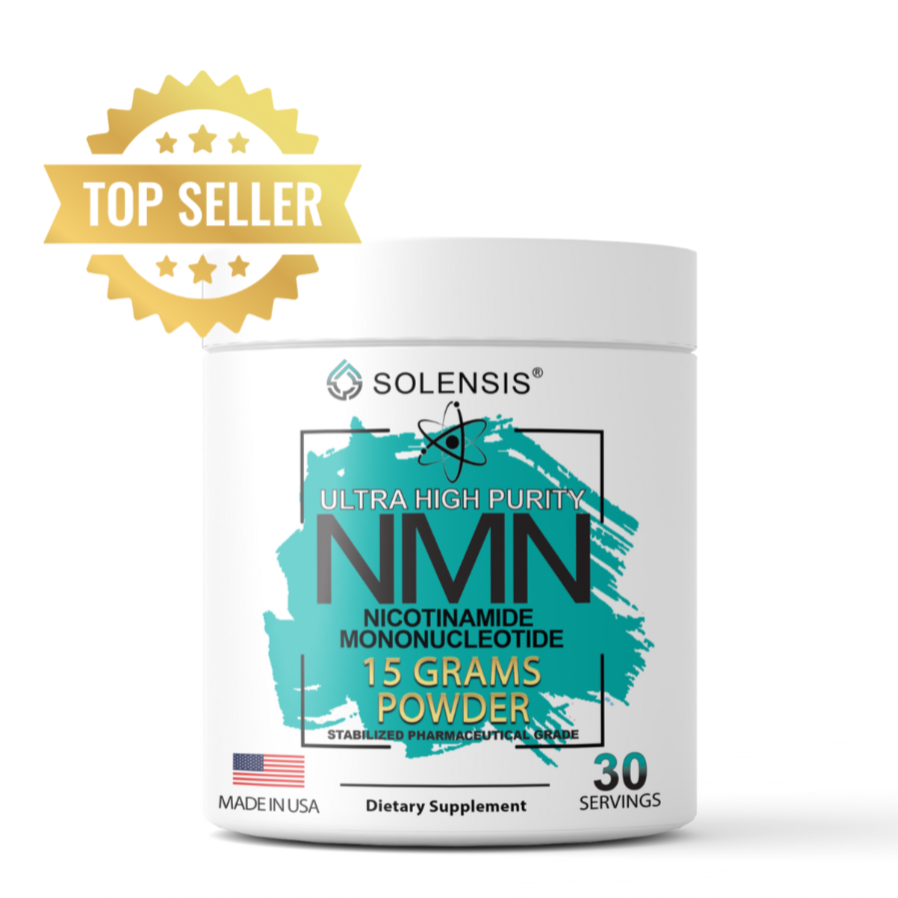
Premium NMN supplement
Our pharmaceutical-grade NMN (≥99.9% purity) restores declining NAD+ levels to support cellular energy, enhance DNA repair, and optimize metabolic function—independently tested and formulated to clinical standards.
Restore your NAD+Lifestyle factors that support NAD+ levels
While supplementation with NAD+ precursors like NMN represents a direct approach, lifestyle factors also play a significant role in maintaining NAD+ levels:
- Exercise: Regular physical activity increases NAMPT expression, enhancing NAD+ biosynthesis
- Caloric restriction: Moderate caloric restriction or intermittent fasting influences NAD+ metabolism positively
- Quality sleep: Proper sleep supports mitochondrial function and cellular repair processes
- Metabolic health: Maintaining healthy weight and insulin sensitivity preserves NAD+ efficiency
- Stress management: Chronic stress accelerates inflammation and NAD+ depletion
These foundational factors create the optimal environment for NAD+ supplementation to work most effectively. Think of them as the baseline—supplementation works best when layered on top of solid health practices.
Why NAD+ biology is changing the longevity conversation
For decades, aging was viewed as an inevitable, passive process of decline. Modern research has fundamentally changed this perspective. We now understand that aging is driven by specific, modifiable molecular pathways.
NAD+ sits at the intersection of multiple critical processes:
- Energy metabolism and mitochondrial function
- DNA repair and genomic stability
- Inflammation regulation and immune function
- Cellular communication and stress resistance
Rather than addressing surface symptoms of aging, targeting NAD+ biology addresses upstream cellular efficiency—the fundamental machinery that determines how well our cells function as we age.
This is precisely why NAD+ has become such a focal point in longevity science. It represents one of the clearest examples of how understanding molecular biology can translate into actionable interventions. We're not just describing what happens during aging anymore—we're identifying specific targets we can address to potentially slow or reverse aspects of the process.
Bottom line: NAD+ is not a miracle molecule that will stop aging completely. But it is a central regulator of cellular health, and its decline fundamentally changes how cells produce energy, repair damage, and maintain function. Restoring NAD+ levels through evidence-based interventions represents one of the most scientifically validated approaches to supporting healthy aging currently available.
The path forward
Understanding NAD+ decline opens up a new framework for thinking about cellular aging. Instead of accepting decline as inevitable, we can now identify specific molecular targets and develop evidence-based strategies to address them.
The research is clear: NAD+ levels decline with age, and this decline has profound consequences for cellular health. The evidence is equally clear that this decline can be addressed through a combination of lifestyle optimization and targeted supplementation with NAD+ precursors.
As longevity research continues to advance, NAD+ biology will likely remain at the forefront. Not because it's a magic bullet, but because it represents a fundamental aspect of cellular metabolism that we can now measure, understand, and potentially optimize.
The question isn't whether NAD+ matters for aging—the science has settled that. The question is how we can best leverage this knowledge to support healthspan and quality of life as we age.
References
- Gomes, A. P., Price, N. L., Ling, A. J., Moslehi, J. J., Montgomery, M. K., Rajman, L., ... & Sinclair, D. A. (2013). Declining NAD+ induces a pseudohypoxic state disrupting nuclear-mitochondrial communication during aging. Cell, 155(7), 1624-1638. https://doi.org/10.1016/j.cell.2013.11.037
- Camacho-Pereira, J., Tarragó, M. G., Chini, C. C., Nin, V., Escande, C., Warner, G. M., ... & Chini, E. N. (2016). CD38 dictates age-related NAD decline and mitochondrial dysfunction through an SIRT3-dependent mechanism. Cell Metabolism, 23(6), 1127-1139. https://doi.org/10.1016/j.cmet.2016.05.006
- Yoshino, J., Mills, K. F., Yoon, M. J., & Imai, S. I. (2011). Nicotinamide mononucleotide, a key NAD+ intermediate, treats the pathophysiology of diet-and age-induced diabetes in mice. Cell Metabolism, 14(4), 528-536. https://doi.org/10.1016/j.cmet.2011.08.014
- Mills, K. F., Yoshida, S., Stein, L. R., Grozio, A., Kubota, S., Sasaki, Y., ... & Imai, S. I. (2016). Long-term administration of nicotinamide mononucleotide mitigates age-associated physiological decline in mice. Cell Metabolism, 24(6), 795-806. https://doi.org/10.1016/j.cmet.2016.09.013
- Irie, J., Inagaki, E., Fujita, M., Nakaya, H., Mitsuishi, M., Yamaguchi, S., ... & Itoh, H. (2020). Effect of oral administration of nicotinamide mononucleotide on clinical parameters and nicotinamide metabolite levels in healthy Japanese men. Endocrine Journal, 67(2), 153-160. https://doi.org/10.1507/endocrj.EJ19-0313
- Bai, P., Cantó, C., Oudart, H., Brunyánszki, A., Cen, Y., Thomas, C., ... & Auwerx, J. (2011). PARP-1 inhibition increases mitochondrial metabolism through SIRT1 activation. Cell Metabolism, 13(4), 461-468. https://doi.org/10.1016/j.cmet.2011.03.004
- Verdin, E. (2015). NAD+ in aging, metabolism, and neurodegeneration. Science, 350(6265), 1208-1213. https://doi.org/10.1126/science.aac4854